
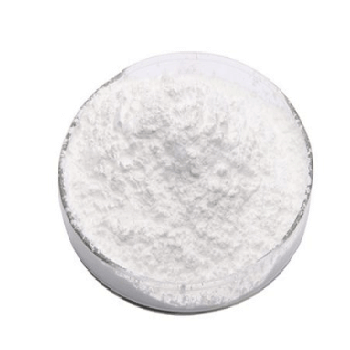
Chemical name: EDTA MgNa2·2H2O
Molecular formula: C10H12N2O8MgNa2·2H2O
Molecular weight: 394.55
CAS No: 14402-88-1
EINECS: 238-372-3
Specification
| Item | Standard |
| Appearance | white powder |
| Chelated Mg | 6 (+/- 0.5) % min |
| PH(10g/L, 25℃) | 6.0-7.0 |
| Heavy metal as Pb | 0.001% max |
| Cd | 0.001% max |
| As | 0.0002% max |
| Matter insoluble | 0.1% |
Packing: 25kg bag/drum, customized packing is available.
Characteristics: rapidly soluble in water because of its porous, compatible with most water-soluble fertilizers.
Storage: Store indefinitely under normal conditions. For user convenience it is recommended that the product is stored in a dry place. Re-seal partly used packs tightly.
Usage:
As a foliar fertilizer and compound fertilizer raw materials
In addition to single-element EDTA chelates, it also offers physical mixes (blends) or compounds (chemical mixes). For physical mixes, macro-nutrients and/or additives like amino acids and humic acids can be added.
Related Products
Interested in EDTA Mg?
Contact us for pricing, availability, certificates (COA/MSDS), and shipping terms. Our team responds within 24 hours.
Applications
Magnesium is the central atom in the chlorophyll molecule and is vital for photosynthesis, enzyme activation, and phosphorus transport within plants. Magnesium deficiency often appears first on older leaves as interveinal chlorosis — the tissue between leaf veins turns yellow while the veins remain green. EDTA Mg is highly effective on crops with high magnesium demand such as tomatoes, potatoes, grapes, citrus, and leafy vegetables. It is compatible with drip irrigation and hydroponics systems. EDTA Mg performs best in soil pH 4–7 and is particularly beneficial in sandy or acidic soils where magnesium leaching is a concern. Typical foliar application rates are 0.5–1.5 kg/ha. It mixes well with most water-soluble fertilizers and can be incorporated into NPK fertigation programmes.
Magnesium: The Photosynthesis Mineral
Magnesium occupies the centre of the chlorophyll molecule — every gram of chlorophyll contains 25 mg of magnesium. Beyond its role in photosynthesis, magnesium activates more than 300 enzymes, is essential for ATP synthesis, and serves as the primary carrier of phosphate within the plant. It is also highly mobile within the phloem, meaning deficiency appears first on older leaves as the plant redistributes magnesium to actively growing tissue.
Deficiency Symptoms and High-Risk Crops
Classic magnesium deficiency presents as interveinal chlorosis on older, lower leaves: the veins remain green while tissue between them turns yellow, then brown. In severe cases, leaf margins cup upward and premature defoliation occurs. Sandy, acidic, and heavily leached soils are most at risk. High potassium applications commonly induce antagonistic magnesium deficiency — a frequent issue in banana, potato, grape, and citrus production where potassium fertigation rates are intensive. EDTA Mg delivers magnesium in a chelated form that bypasses cation competition at the root surface and is rapidly absorbed through foliar application when soil correction is too slow.
Application Guidelines
For foliar spray, apply a 0.2–0.4% solution (2–4 g per litre) when symptoms are first observed or as a preventive measure at critical growth stages (flowering, fruit set). For fertigation, incorporate at 1–2 kg per hectare per week during periods of high demand. EDTA Mg is compatible with most water-soluble fertilisers across pH 5.5–7.5. It mixes well with other EDTA chelates — allowing growers to create balanced micronutrient programmes without pH adjustment between components. Store in a cool, dry location away from alkalis and oxidising agents; the chelated form remains stable for at least two years under normal storage.
Unifarm supplies EDTA Mg with full traceability documentation including COA and MSDS. Minimum order quantities and current FOB/CIF pricing are available upon inquiry. Samples for quality testing are provided upon request.