
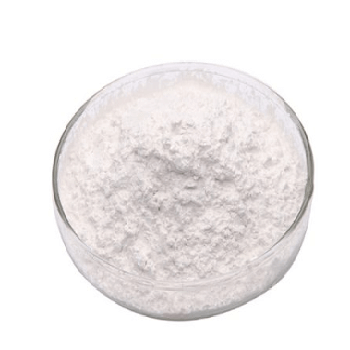
Chemical Name: EDTA Chelated Manganese
Other names: EDTA-Mn-13; Disodium [[N,N’-ethylenebis[N-(carboxymethyl)glycinato]](4-)-N,N’,O,O’,ON,ON’]manganate(2-)
Molecular Formula: C10H12N2O8Mn
Molecular Weight: 389.1
CAS No. : 15375-84-5
EINECS: 239-407-5
Specification
| Item | Standard |
| Appearance | White pink Micro-crystal powder |
| Chelated Mn | 13 (+/- 0.5) % min |
| PH(10g/L, 25℃) | 6.0-7.0 |
| Heavy metal as Pb | 0.002% max |
| Cd | 0.001% max |
| As | 0.0002% max |
| Matter insoluble | 0.1% |
Packing: 25kg bag/drum, customized packing is available.
Storage: EDTA Mn13 will store for a minimum of two years under the correct conditions. For user convenience, it is recommended that the product is stored in a dry place. Re-seal partly used packs tightly.
Usage:
As a foliar fertilizer and compound fertilizer raw materials In addition to single-element EDTA chelates, it also offers physical mixes (blends) or compounds (chemical mixes). For physical mixes, macro-nutrients and/or additives like amino acids and humic acids can be added.
Related Products
Interested in EDTA Mn?
Contact us for pricing, availability, certificates (COA/MSDS), and shipping terms. Our team responds within 24 hours.
Applications
Manganese plays a critical role in photosynthesis, particularly in the oxygen-evolving complex of Photosystem II, and is required for nitrogen metabolism and enzyme activation. Manganese deficiency is most prevalent in high-pH (>6.5) or over-limed soils, presenting as interveinal chlorosis on young leaves. EDTA Mn 13 is suitable for both foliar and fertigation applications. Crops with high manganese requirement include cereals, soybeans, peas, sugar beet, and potatoes. Typical foliar application rates range from 100–300 g/ha. At soil pH above 7.0, EDTA Mn becomes less stable; in highly alkaline soils, DTPA Mn is a more suitable alternative. EDTA Mn can be blended with other chelated micronutrients such as EDTA Zn and EDTA Cu for multi-element fertilizer programmes.
Manganese in Plant Nutrition: Function and Deficiency
Manganese is an essential cofactor for the oxygen-evolving complex of Photosystem II — the step in photosynthesis where water is split to release oxygen. Without adequate manganese, light-harvesting efficiency drops and carbohydrate production suffers even under full sun. Manganese also activates superoxide dismutase (MnSOD), a key antioxidant enzyme that protects cells from oxidative stress, and plays a critical role in nitrogen assimilation and lignin biosynthesis.
Deficiency Symptoms and At-Risk Situations
Unlike magnesium deficiency, manganese deficiency appears first on young, expanding leaves — producing pale interveinal chlorosis with a distinctive netted or speckled appearance. In cereals, it is known as “grey speck”; in legumes, “marsh spot”; in sugar beet, “speckled yellows”. Manganese availability drops sharply in alkaline soils (pH above 6.5) and waterlogged conditions where Mn²⁺ is oxidised to insoluble Mn⁴⁺ forms. Over-liming is the most common cause of induced manganese deficiency in arable crops. EDTA Mn maintains manganese in a soluble, plant-available form regardless of soil pH, making it especially valuable for foliar correction on high-pH soils where soil-applied manganese sulphate has minimal effect.
Application Rates and Compatibility
For foliar application, a 0.1–0.2% solution applied at early tillering or first sign of chlorosis delivers rapid correction. For fertigation in controlled environments, 0.5–1.5 kg per hectare per week maintains adequate tissue levels. EDTA Mn is compatible with most NPK solutions and fungicide programmes; however, avoid combining with alkaline materials (lime, calcium hypochlorite) in the spray tank. The chelated form remains stable across pH 5.5–7.5 and does not precipitate in hard water, unlike manganese sulphate. Full documentation (COA, MSDS, phytosanitary certificate) is available upon request. Contact us for bulk pricing and lead times.